When many people hear the term self-care, they picture spa days, vacations, or other ways to relax. While those things can definitely be enjoyable, self-care is much broader.
At its core, self-care means taking intentional steps to support your physical, emotional, and mental well-being.
Sometimes self-care feels relaxing. Other times, it means doing something you don't particularly feel like doing because you know it will help you in the long run.
The goal isn't to create a perfect routine or add another item to your already overwhelming to-do list. Effective self-care should support your life—not become another source of stress.
Self-Care Looks Different for Everyone
There is no single definition of good self-care. What helps one person feel restored may not work for someone else.
You might need more sleep, movement, time alone, connection with other people, or simply a break from the constant demands of work, school, or family life.
Some common forms of self-care include:
Physical self-care: getting enough sleep, eating regularly, moving your body, and attending to medical needs
Emotional self-care: recognizing your feelings, talking with someone you trust, journaling, or asking for support
Mental self-care: taking breaks, limiting stressful social media or news, practicing mindfulness, or doing something creative
Social self-care: spending time with supportive people and setting boundaries when relationships are consistently draining
The most helpful question may simply be: What do I need more of right now?
Sometimes Self-Care Means Doing Something You Don't Feel Like Doing
One of the biggest misconceptions about self-care is that it should always feel relaxing or enjoyable.
Sometimes taking care of yourself means:
Going to bed instead of continuing to scroll on your phone
Saying no when you don't have the time or energy
Making an appointment you've been putting off
Having a difficult conversation
Addressing a problem you've been avoiding
Asking for help when you'd rather handle everything yourself
Taking on a project or assignment without procrastinating
These things may not feel good in the moment, but they can reduce stress and support your well-being over time.
Self-Care Doesn't Have to Be Expensive or Time-Consuming
You don't need a vacation, an expensive wellness routine, or hours of free time to practice self-care.
Sometimes it can be as simple as:
Taking a short walk
Stepping outside for a few minutes
Listening to music you enjoy
Calling a friend
Putting your phone away for an hour
Doing something creative
Going to bed a little earlier
Small, realistic actions are often easier to maintain than ambitious plans that quickly become overwhelming.
Explore New Ideas for Supporting Your Well-Being
Sometimes you may know that you need to take better care of yourself but feel unsure about what would actually help.
Healing & Resilient NJ offers a helpful resource called the Resilience Room Journey, where you can explore different ideas and resources related to well-being and resilience, including mindfulness, movement, creativity, relaxation, and more. I highly recommend it.
There is no one-size-fits-all approach to self-care. Exploring different activities can help you discover what genuinely helps you feel more grounded, supported, and better able to manage life's challenges.
When Self-Care Isn't Enough
Self-care can be an important part of supporting your well-being, but it isn't a solution to every problem.
If you're experiencing persistent anxiety, depression, overwhelming stress, or other emotional difficulties, additional support may be helpful. Therapy can provide a space to better understand what you're experiencing and develop practical strategies for managing life's challenges.
Taking care of yourself doesn't mean you have to handle everything alone. Sometimes asking for help is one of the most important forms of self-care.
Dayna Stein, MST, MSW, LCSW, is a licensed psychotherapist and the co-owner of Red Bank Psychological Services. She provides individual therapy for adults and college students experiencing anxiety, depression, stress, and life transitions. Dayna offers in-person therapy in Red Bank, New Jersey, and telehealth to clients located in New Jersey, Vermont, Florida, and Massachusetts.
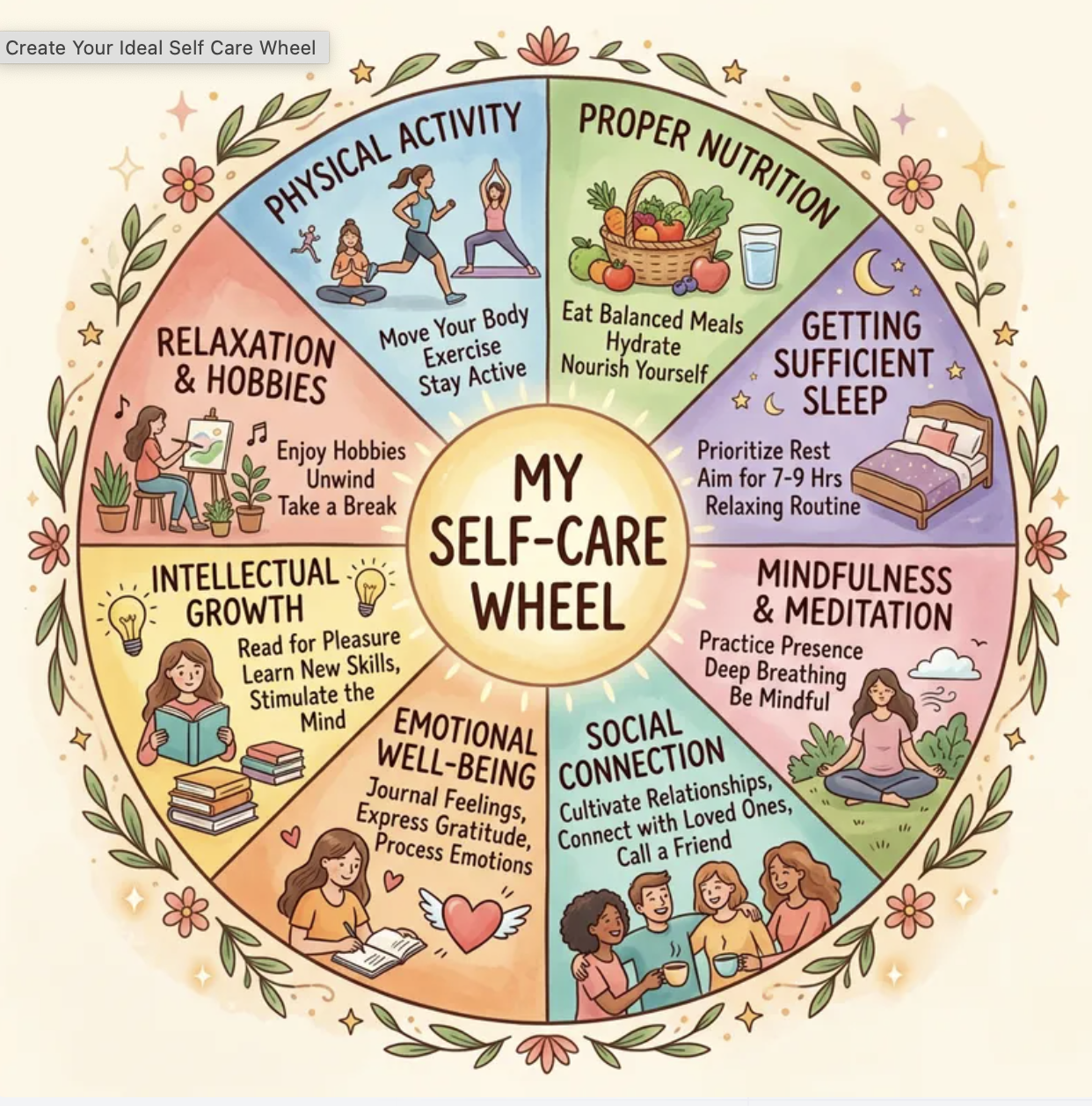
Self-care doesn’t have to include an expensive spa or hour long massage.