Should a man see a female therapist?
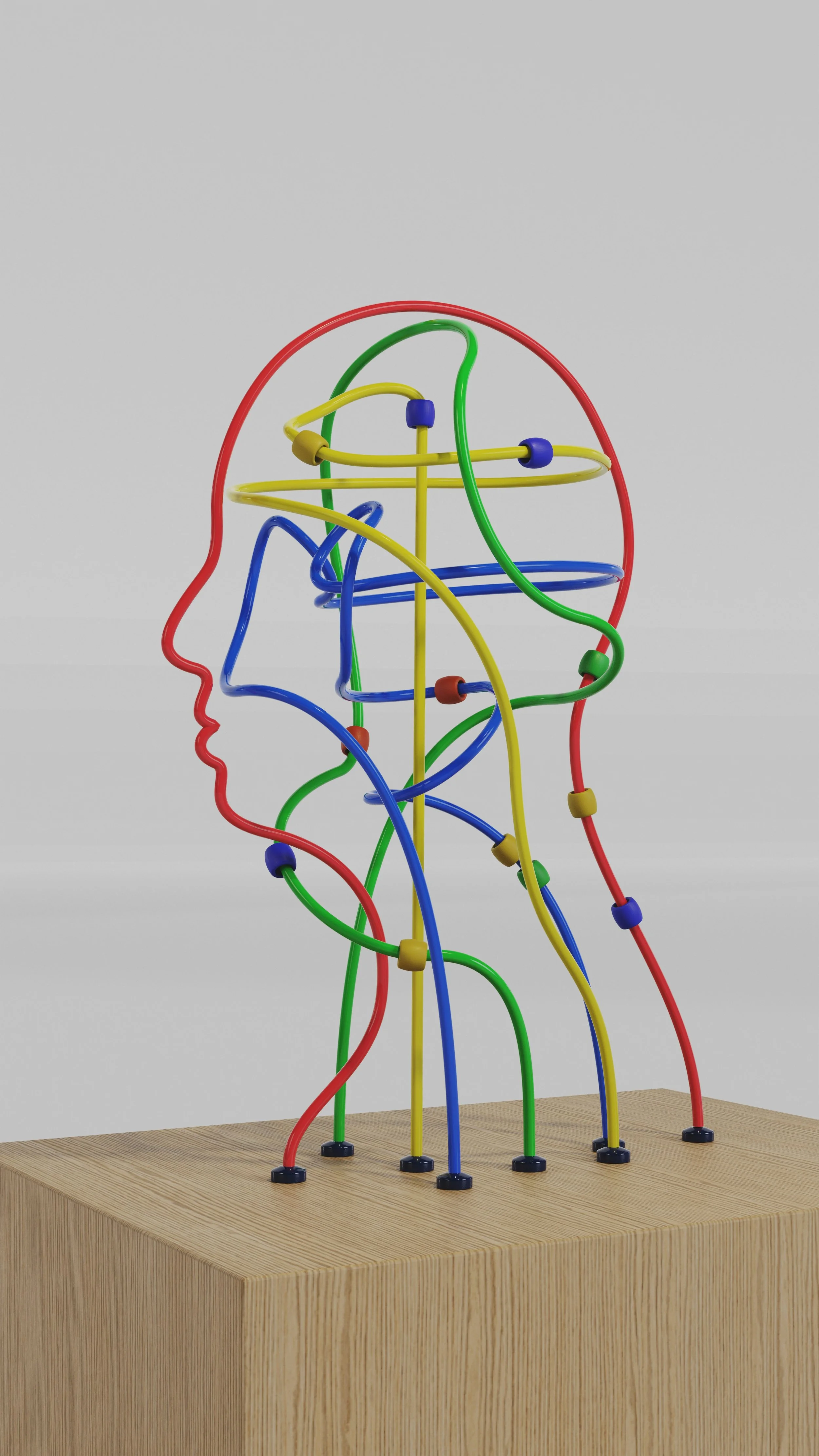
If you're a man looking for a therapist, you may have asked yourself a question that doesn't get talked about very often:
Should I see a male therapist or a female therapist?
There isn't one right answer. The best therapist is ultimately the one who makes you feel safe enough to be honest and challenges you in ways that help you grow.
That said, many of my male clients intentionally sought out a female therapist, and they've shared reasons that surprised even them.
As a licensed clinical therapist, more than half of my clients are men—some straight and some LGBTQ+- ages 16 - 76 - and they come to therapy for many of the same reasons: anxiety, depression,relationship challenges, career stress, divorce, and major life transitions.
Here's what I've learned from working with them.
You May Feel Less Pressure to "Be a Man"
Many men spend their lives feeling like they have to perform masculinity.
Be tough.
Don't cry.
Always have the answer.
Don't ask for help.
Never look weak.
Some men tell me they feel less pressure to wear that mask when they're sitting across from a woman. They don't feel like they're being evaluated against another man's standards or expected to prove themselves.
My office isn't a place where you have to be aggressive, stoic, athletic, invincible, or act like you know everything.
It's a place where you get to be yourself.
Ironically, that's often when real strength begins to emerge.
Nothing Is Off Limits
Some men worry they'll have to censor themselves with a female therapist.
Can I curse?
Can I talk about sex?
Can I talk about my body?
Can I admit thoughts I'm ashamed of?
The answer is yes.
After over ten years as a therapist, there's probably very little I haven't heard before. Therapy is one of the few places where you don't have to edit yourself. My role isn't to judge you—it's to help you understand yourself.
Whatever is weighing on you is welcome in the room.
Sometimes a Woman Can Offer a Perspective You Haven't Considered
One of the unique benefits of working with a female therapist is the opportunity to gain insight into relationship dynamics from a different perspective.
I once worked with a man who couldn't understand why his wife was devastated after he developed an emotional relationship with a coworker. There was no physical affair, so from his perspective, he hadn't crossed the line that mattered most.
As we explored the situation, we talked about how many women experience emotional betrayal as deeply painful because it represents the loss of intimacy, trust, and connection. For many men, physical infidelity feels like the greater violation. Neither perspective is universally true, but understanding his wife's emotional experience helped him approach the relationship with more empathy and accountability.
Another client was confused when his wife told him that being an excellent financial provider wasn't enough. He loved his family and worked hard for them, so he felt blindsided.
We explored another possibility: that while providing financially is meaningful, many partners also need to feel emotionally safe, valued, and treasured. They want to know they matter not just because of what they contribute to the household, but because of who they are.
Sometimes hearing that perspective from another woman can help it click in a different way.
Therapy Can Be a Safe Place to Practice Communication
Many men tell me there are things they don't say to anyone else.
Not their spouse.
Not their friends.
Not their parents.
Not their coworkers.
Sometimes therapy becomes the only place where they can say exactly what's on their mind without worrying they'll disappoint someone, be misunderstood, or have to take care of another person's feelings.
That freedom creates space to practice something many men weren't encouraged to learn growing up: expressing emotions clearly and honestly.
Over time, those conversations often carry over into marriages, dating relationships, parenting, friendships, and even the workplace.
Healthy Masculinity Includes Vulnerability
I believe healthy masculinity isn't about suppressing emotions or pretending to have it all together.
It's about expressing your identity in ways that are authentic, respectful, and emotionally grounded.
Healthy masculinity embraces accountability, empathy, courage, and vulnerability.
Many men discover something unexpected in therapy:
Vulnerability isn't weakness.
It's often the foundation for stronger relationships, greater confidence, and a deeper understanding of yourself.
A Female Therapist Isn't Better for Everyone
Some men genuinely feel more comfortable working with another man, and that's completely okay.
There are situations where a male therapist may be the better fit.
Therapy isn't about choosing the "best" gender. It's about finding someone you trust enough to tell the truth.
If that's a male therapist, wonderful.
If that's a female therapist, that's wonderful too.
The goal is the same: helping you build a healthier, more fulfilling life.
If You're Unsure, Let's Talk
Starting therapy can feel intimidating, especially if you've never done it before.
My approach is empathetic, direct, and solution-focused. I believe you're the expert on your own life. My role is to listen, ask thoughtful questions, offer new perspectives when they're helpful, and support you at your own pace.
No topic is off limits, and if something falls outside my area of expertise, I'll help connect you with someone who is the right fit.
If you're a guy living in New Jersey, Vermont, Florida, or Massachusetts and you're wondering whether we'd work well together, I offer a free 15-minute consultation. There's no pressure or obligation—just an opportunity to ask questions, get a feel for my style, and decide whether it feels like a good fit.
I see clients in person and virtually, depending on your preference and location.
Sometimes the hardest part of therapy is making the first phone call.
Everything after that gets a little easier.
Dayna Stein, MST, MSW, LCSW, is a Licensed Clincial Social Worker at Red Bank Psychological Services. She provides practical, conversational therapy for men and college students dealing with anxiety, depression, relationship issues, trauma, and major life transitions. She offers in-person therapy in Red Bank and virtual therapy for people in New Jersey, Vermont, Florida, and Massachusetts. Before becoming a therapist, Dayna spent 15 years as a middle and high school teacher.